Flooding and shoreline erosion are not future challenges for coastal Virginia—they are happening now. Across the region, homeowners, businesses, and localities are taking action to protect property, infrastructure and natural resources.
That work is creating a growing need for people who can design, build, and support shoreline resiliency solutions.
For students and job seekers, it is also creating new pathways into meaningful, in-demand careers.
A Growing Need for Skilled Workers
As more property owners take steps to address flooding and erosion, the demand for shoreline resiliency solutions continues to rise. In many cases, marine contractors and shoreline professionals are already operating at capacity, with more projects than the current workforce can support.
This demand is being driven by both public investment and private action. Programs like Fight the Flood are helping fund projects across coastal Virginia, while individual property owners are making their own investments to protect what matters most.
The result is a steady and growing need for skilled workers at every level of the industry.
Many Paths Into the Field
Shoreline resiliency is much more than a single career. It is a collection of roles that work together to deliver solutions.
Some careers are hands-on and field-based, including:
- Marine construction laborers
- Heavy equipment operators
- Barge and boat operators
- CDL drivers and skilled trades
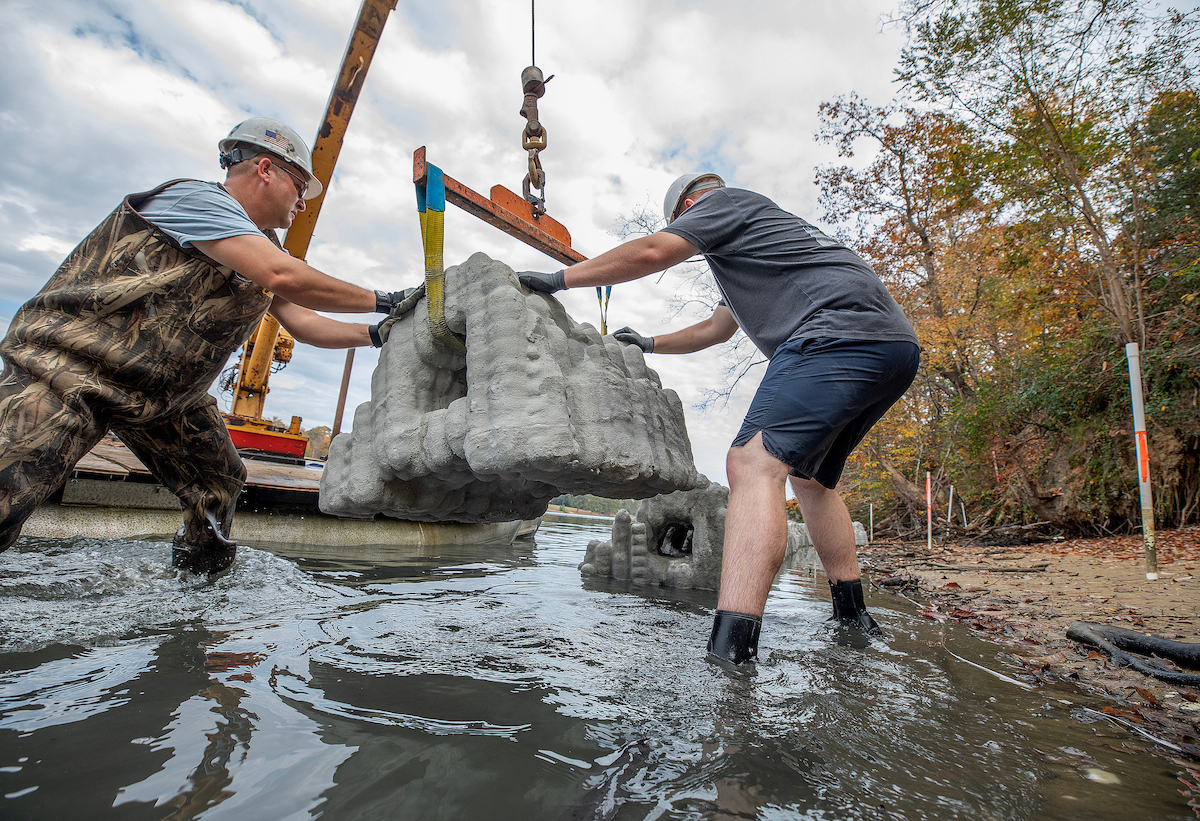
These roles are essential to building and installing shoreline protection systems.
At the same time, the field is becoming more advanced and technical. New approaches to shoreline protection are using tools like drone mapping, data modeling, and engineered structures to better manage wave energy and flooding.
Companies such as Natrx are helping lead this shift, creating demand for professionals with skills in engineering, CAD, GIS, and environmental design.
There are also opportunities in areas like permitting, project management and client engagement, as shoreline projects become more complex and tailored to individual properties.
Education and Training Options
People interested in shoreline resiliency have multiple entry points depending on their interests.
- Skilled Trades and Workforce Training: Programs at New Horizons Regional Education Centers and Rappahannock Community College offer training in construction, equipment operation and technical skills that translate directly to shoreline work. These programs can prepare students to enter the workforce quickly and begin building experience in the field.
- Engineering and Coastal Science: Students interested in design, planning or environmental science can explore programs at Old Dominion University, including its Coastal Engineering Certificate, as well as research and applied learning through the Institute for Coastal Adaptation and Resilience. The Virginia Institute of Marine Science also provides expertise and education related to shoreline management and living shoreline design.
- Learning on the Job: Many shoreline resiliency careers are built through hands-on experience. Entry-level roles, internships, and apprenticeships provide opportunities to learn directly from contractors and project teams while developing practical skills.

Skills That Make an Impact
Shoreline resiliency work requires a mix of physical, technical and problem-solving skills.
Depending on the role, valuable skills may include:
- Equipment operation and mechanical aptitude
- Engineering, CAD and GIS knowledge
- Critical thinking and design problem-solving
- Communication and client-facing skills
- Understanding of permitting and regulatory processes
As projects become more complex, there is increasing demand for individuals who can connect these skills and help deliver solutions that work in real-world conditions.

Work That Matters
Every shoreline project is about protecting something important—a home, a business, a community or a natural habitat.
As flooding risks continue to grow, so does the need for people who can respond. Shoreline resiliency offers a way to build a career while making a direct impact on the future of coastal Virginia.
For students exploring their options, it is a field with opportunity, purpose and staying power.
About Us
Submit Now
Want to help?
Download more information here about how to bring this program to your coastal community.
DOWNLOAD